Istachatta is a small unincorporated community in northeastern Hernando County
along the banks of the Withlacoochee River. The name "Istachatta" is thought to
be a Creek or Seminole term meaning "man snake".
The town was first settled in the mid 1800s by Richard Waller when he arrived
from Tennessee. He built a home there at a point that was considered the best
place to cross the river, and farmed citrus and raised cattle in the area. In
the 1860s, there was actually a ferry across the river at Istachatta. It was a
barge that was pulled across the river by hand with ropes. The ferry remained in
service until the beginning of the 20th century, when it was replaced by a steel
bridge. That bridge was in use until a new concrete span was completed south of
Istachatta along what is now county road 476.
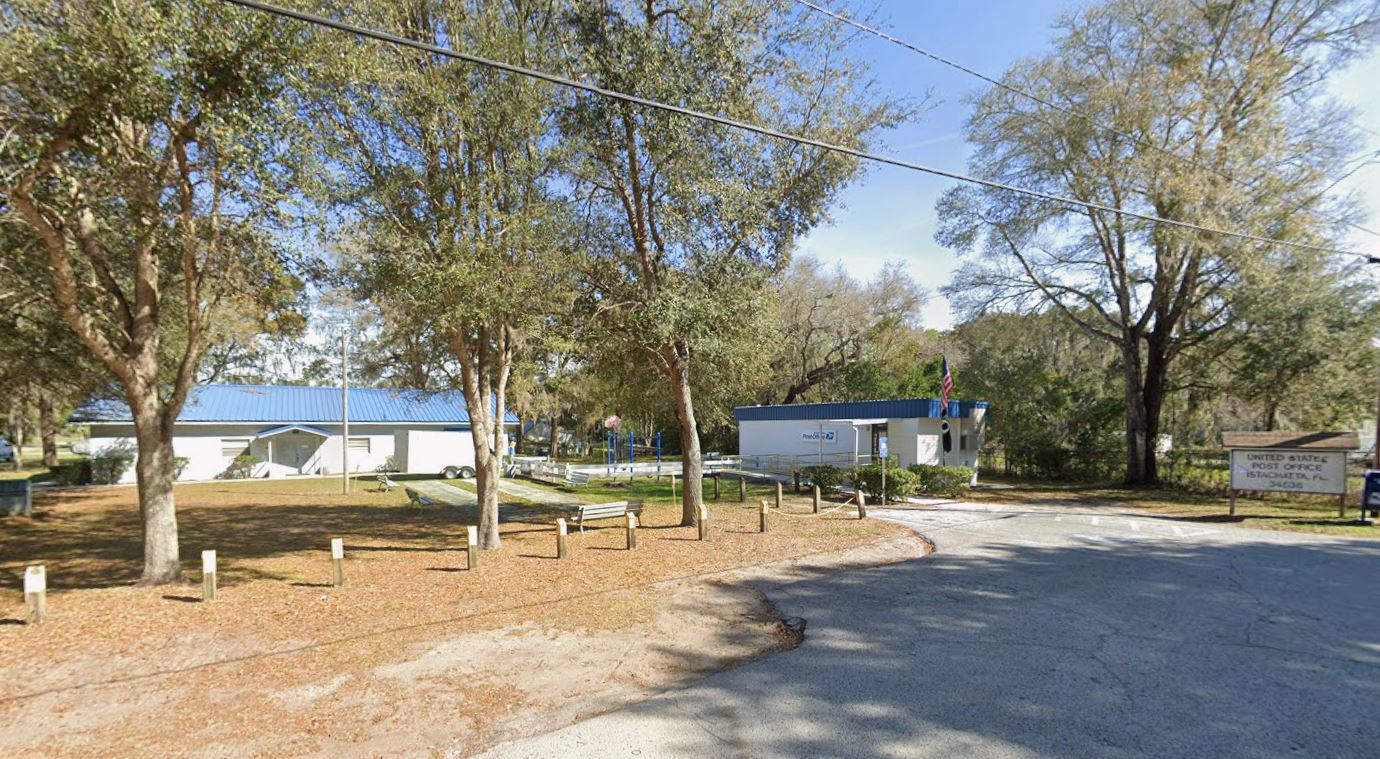
In 1884, F.M. Townsend
filed a plat for the town of Istachatta. But the area was not officially
recognized as a town until another developer mapped out a grid of streets in the
1920s. During that period, generally considered to be the Florida land boom,
Istachatta was quite the hub of activity. Not only was it along the bank of the
Withlacoochee River - it was also along the path of Henry Plants railroad.
Citrus, turpentine and phosphate mining were three industries that kept
everything humming. It had four stores, a packing house, a school, a church, and
a railroad depot.
After a devastating freeze in the 1930s, and the Great Depression, commerce and
industry in the town dwindled quickly. It began to become the quiet rural
community it is today. The old general store built during the boom years is
still standing, and now known as Bree's Provisions. It still offers snacks and
treats to local residents, and to travelers along the Withlacoochee State Trail
that now occupies the path of the old railroad. Two churches remain ... one of
them with roots that trace back to 1907.
Activities & Facilities
Restaurant

Dogs allowed
Short hiking trails
Paved bike trails